
A project day focusing on moss, technology and climate adaptation
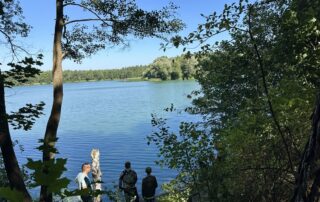
How can smart city, artificial intelligence, technology and nature-based solutions work together? This was the question explored by a sixth-grade class from Villa Elisabeth Primary School in Wildau during their project week at the end of August. As part of a project day, 19 students and two teachers visited Green City Solutions in Bestensee to discover the world of moss, technology and climate adaptation.
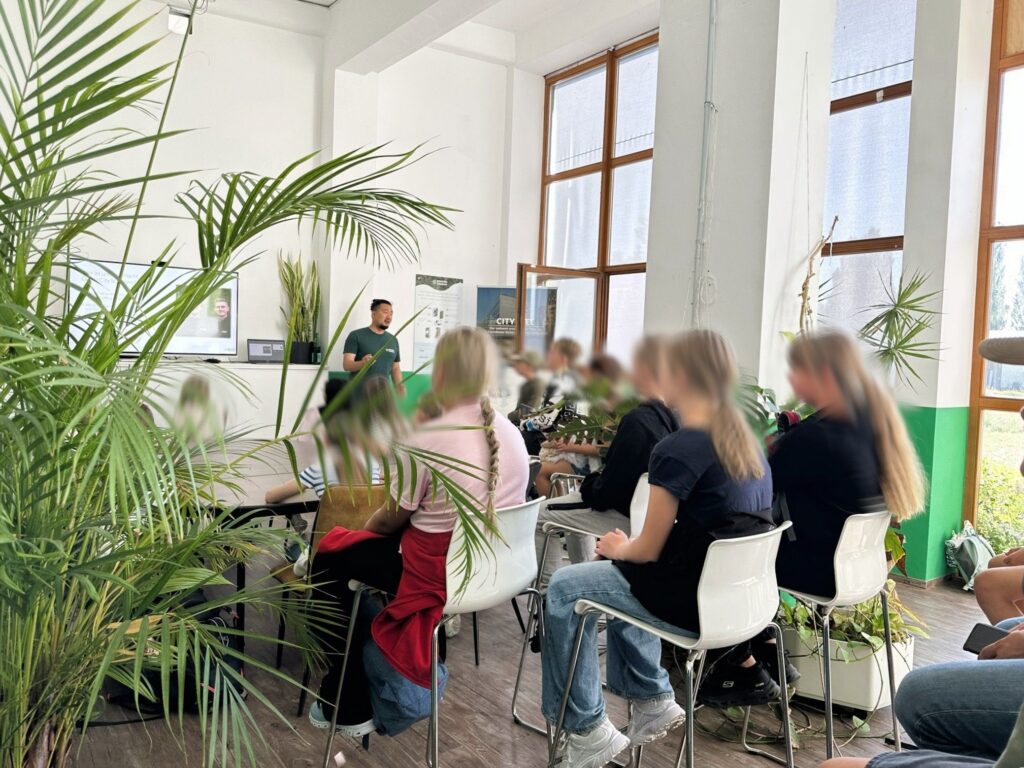
Photo: GCS
From Wildau to Bestensee: Experiencing Climate Adaptation
The students were already familiar with these small superhero plants and the moss-based air filters and coolers developed from them: Since June, a solar-powered EcoBreeze has been installed in the schoolyard of Villa Elisabeth Primary School sorgt seit Juni ein solar-betriebener EcoBreeze, providing fresh air, natural cooling and environmental education while serving as a visible example of climate adaptation in an educational setting.
When it comes to climate adaption in education, solutions are needed that take effect quickly, require little space and offer tangible benefits for children.
The students were now able to discover where the moss used in their EcoBreeze comes from, how and where the technology is developed, and why living moss can play an important role in cities and at schools.
Tackling Heat and Air Pollution with Moss
After a welcome session, Green City Solutions co-founder Liang Wu introduced the company and its fresh air concept. The central question was: What do liveable cities need – and how can nature and technology work together to provide it?
The class learned that moss primarily absorbs water and nutrients through its extensive surface, stores moisture and can be remarkably powerful under the right conditions. Green City Solutions uses these properties in its active moss filters: Sensors, irrigation systems and ventilation support the moss modules in filtering the air and naturally cooling the surrounding environment through evaporation.
This enabled the students to understand more clearly what they already know from their own schoolyard: Ther EcoBreeze combines living moss, sensors and solar energy in a solution that makes environmental education and climate adaptation visible and tangible.

Photos: GCS
From Moss Cultivation to a Miniature Ecosystem
After an initial break, the class was divided into two groups.
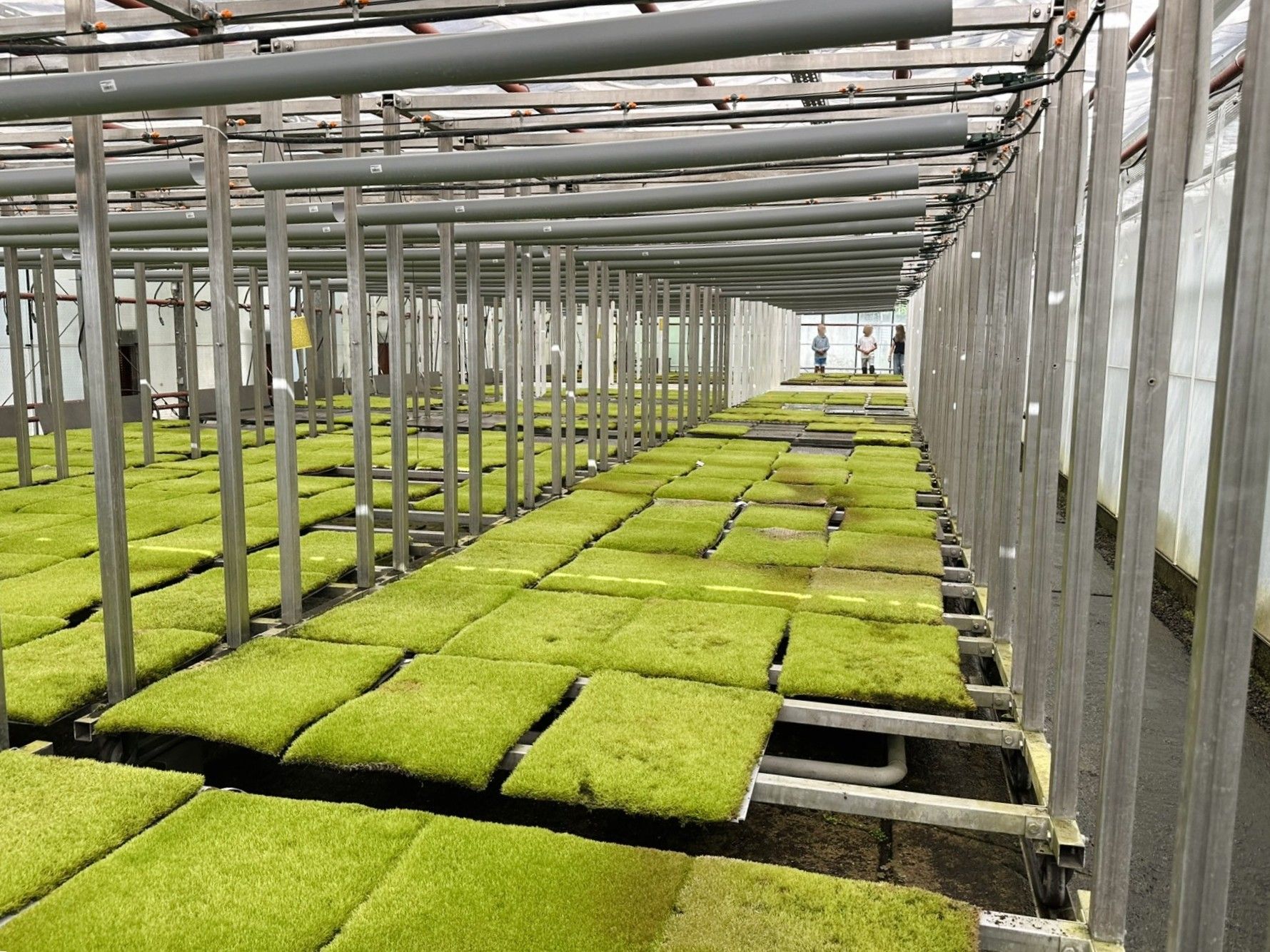
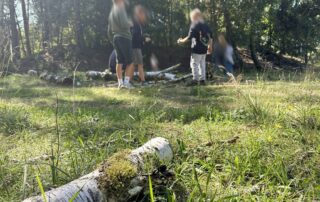
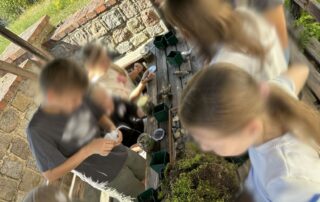
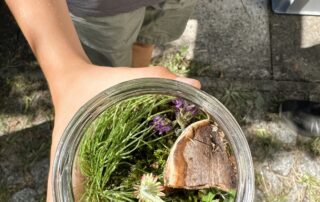
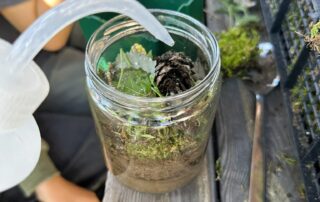
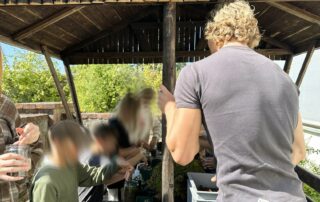
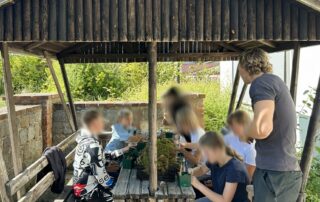
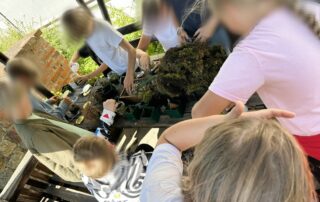
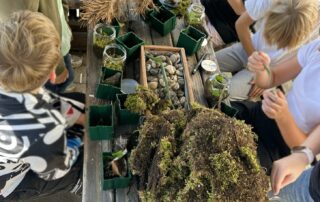
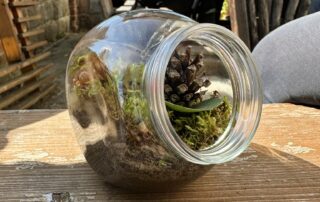
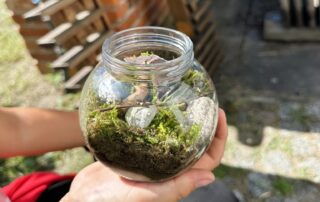
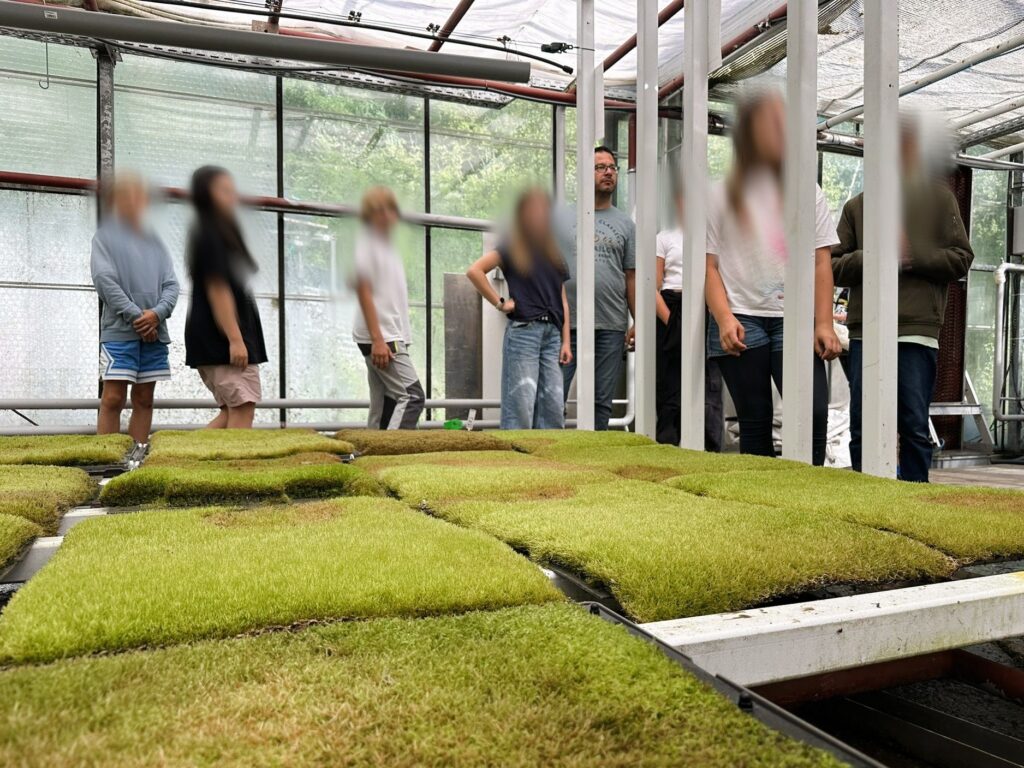
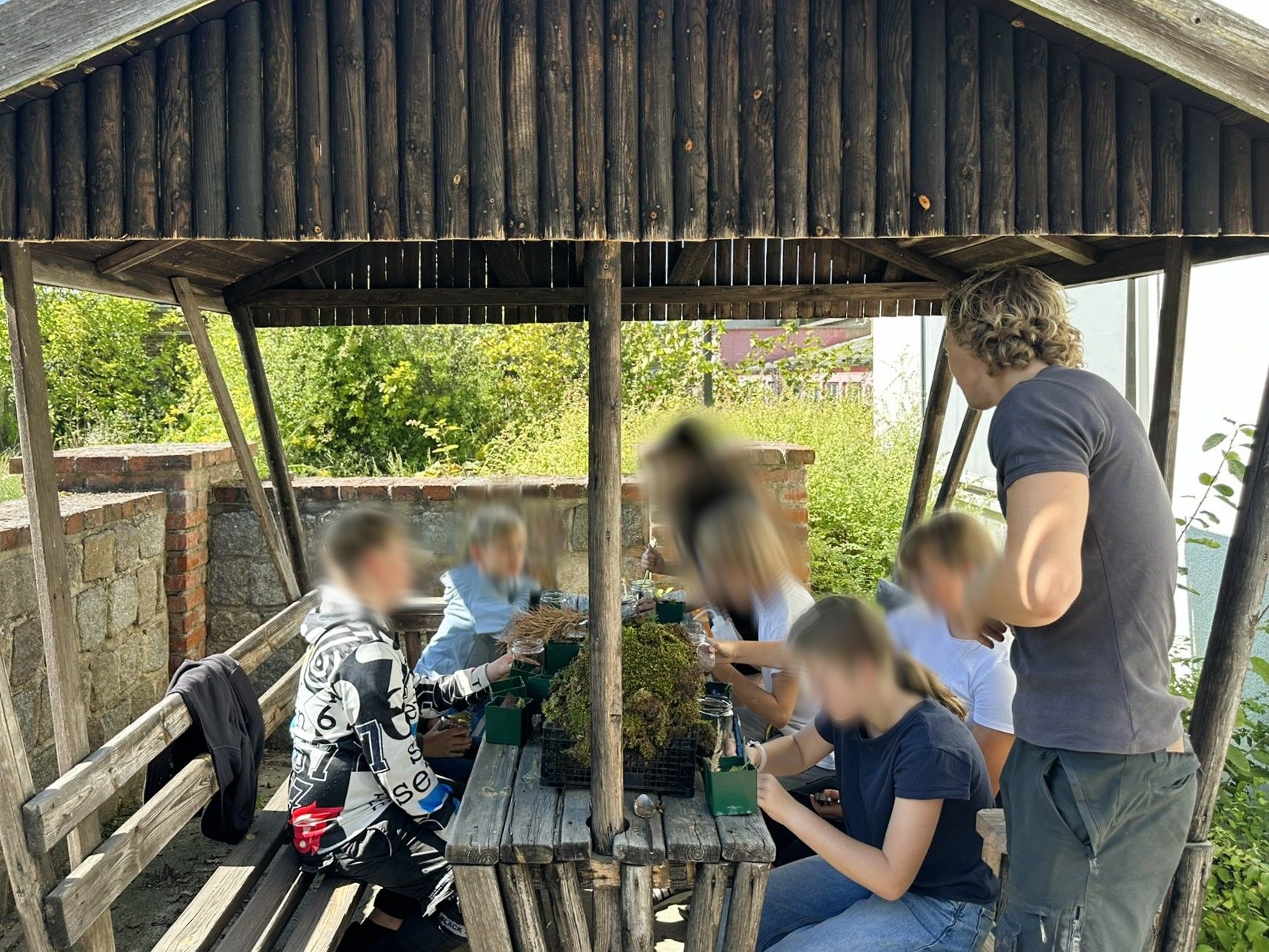
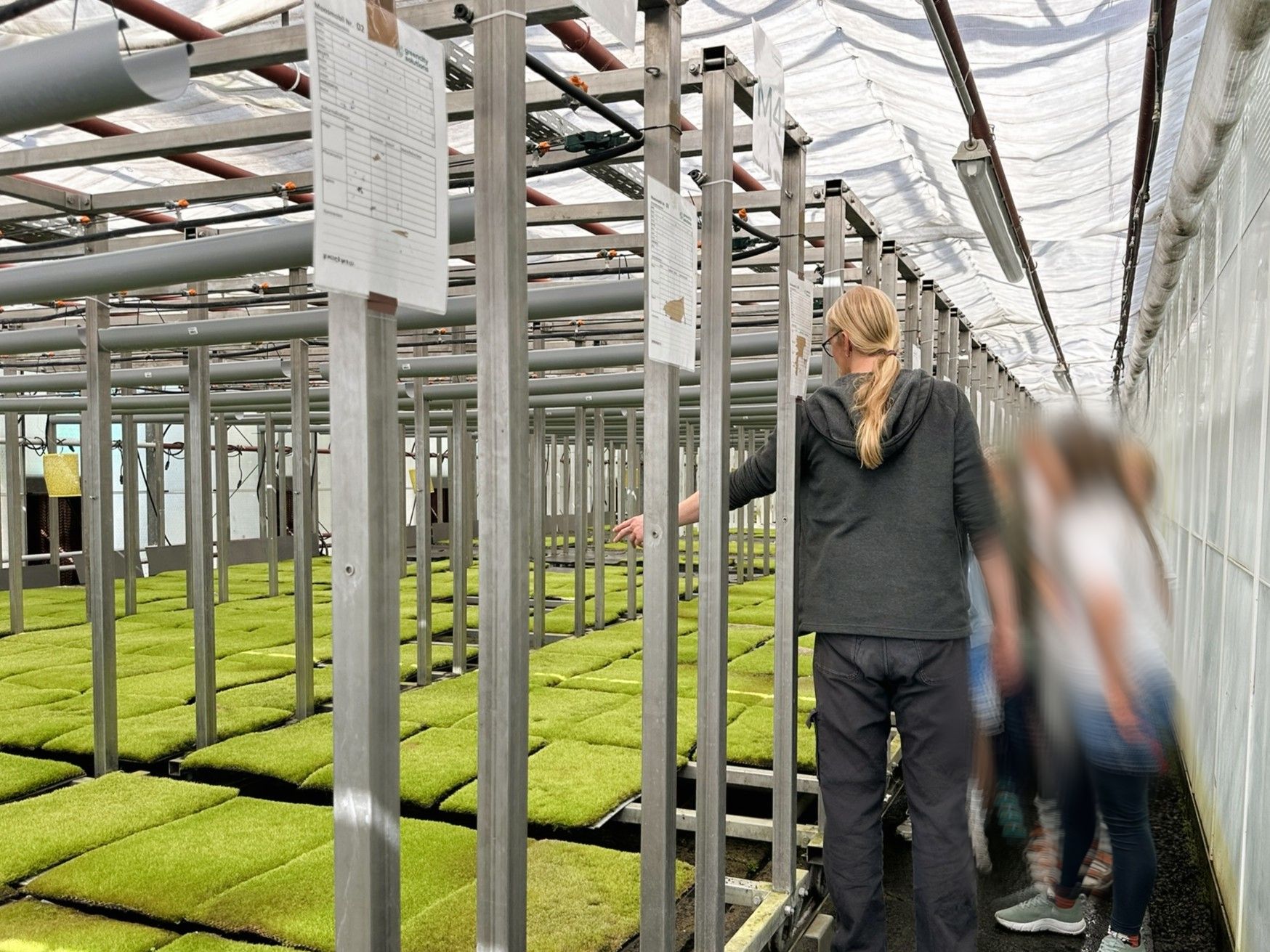
While one group toured the moss cultivation facility, the CityBreeze and other areas, the second group created its own self-sustaining moss terrarium. The groups then switched so that all students could take part in both activities.
During the tour out of the mossfarm, the students gained insights into the production of moss. They learned how moss mats can grow up to 16 times faster under controlled conditions than they do in nature, and how the moss mats become – and form the basis of – the “heart of our moss filters” inside the moss modules. One particular highlight was the opportunity for the students to rub and handle the moss mats themselves.
Photos: GCS
The terrarium workshop also turned learning into hands-on participation. The small ecosystems in the glass containers provided a clear demonstration of how water circulates: Plants absorb water and release it again; the water then condenses on the glass and returns to the soil. Each student created a small learning environment to take home.
The project day combined knowledge, practical activities and plenty of room for questions -including questions directed at the students themselves. After the groups had switched activities, a moss quiz brought the visit to a close.
How many species of moss are there? How does moss absorb water? And how much particulate matter can moss filters remove?
Learning Through Enjoyment
Feedback from teacher Tony Marszalkowski shows how positively the class responded to the visit:
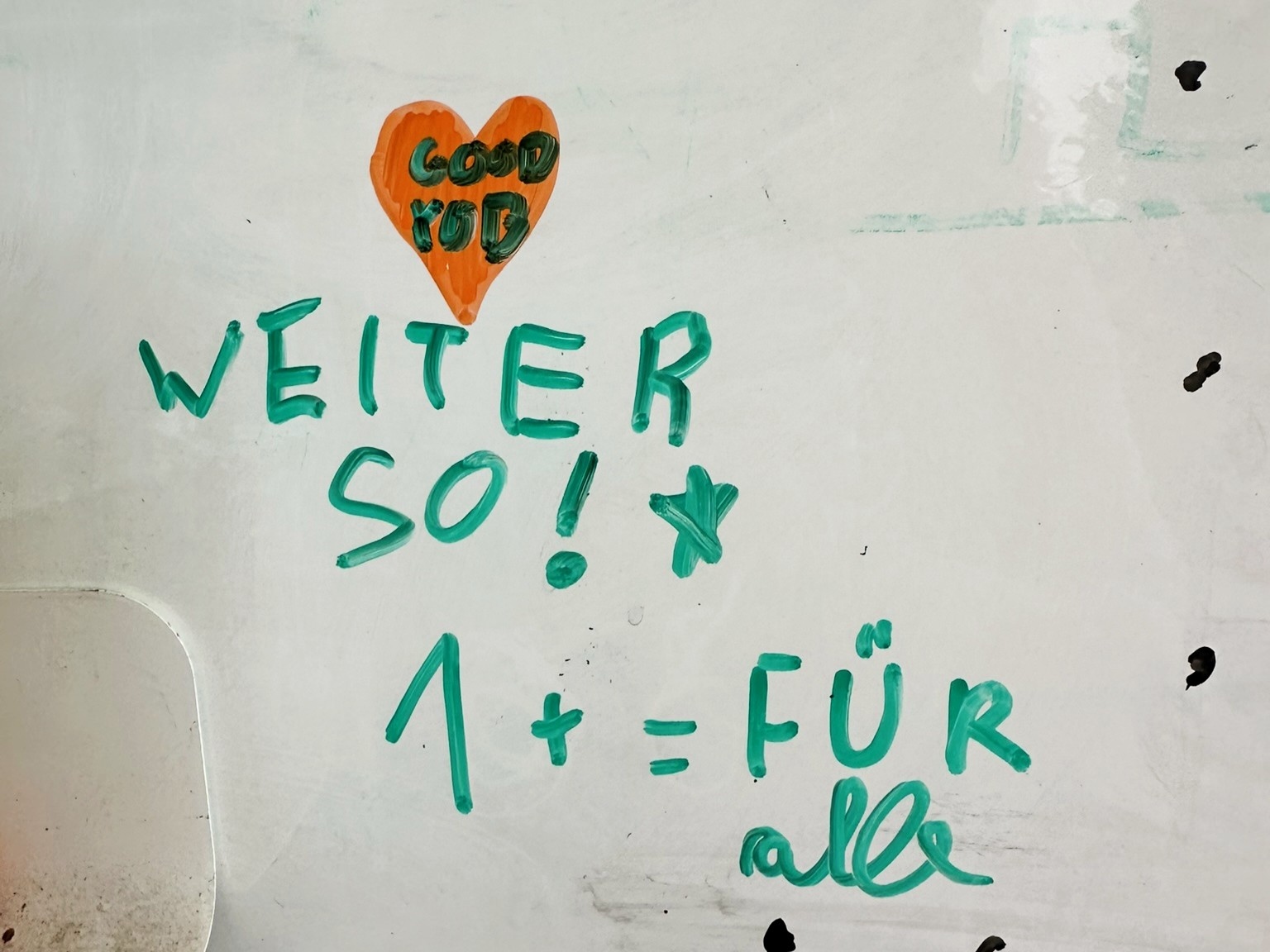
“The students enjoyed the visit very much. From our perspective, we would therefore welcome further cooperation.. […]
Thank you once again for the enjoyable and informative visit. We look forward to continuing our collaboration!”
One particularly memorable reaction came from the class on the journey home: According to Mr Marszalkowski, after leaving the S-Bahn in Wildau, some of the students would have preferred to go straight back to Bestensee – not least because of the pleasant climate there.
Air pollution and heat affect children particularly strongly. Their lungs, brains and immune systems are still developing. At the same time, children breathe in more air—and therefore potentially more pollutants – in relation to their body weight than adults. Our article “Air Pollution and Children’s Health” explains in more detail why clean air in school environments is so important.
Photos: GCS
Shaping the Future Together
The project day demonstrated that sustainability becomes much easier to understand when it can be experienced directly. A moss filter in the schoolyard, a visit to a moss cultivation facility or a self-created terrarium can provide valuable starting points for lessons in science, technology, the environment, smart cities and responsible action.
With thee EcoBreeze in the schoolyard and the project day in Bestensee, the collaboration between Green City Solutions and Villa Elisabeth School is continuing to grow. The combination of a fresh air concept, solar energy, moss and environmental education shows how schools can become places where the future is not only discussed but actively shaped.
We would like to thank the 19 sixth-grade students and their two teachers for their visit, their many questions and their own ideas!
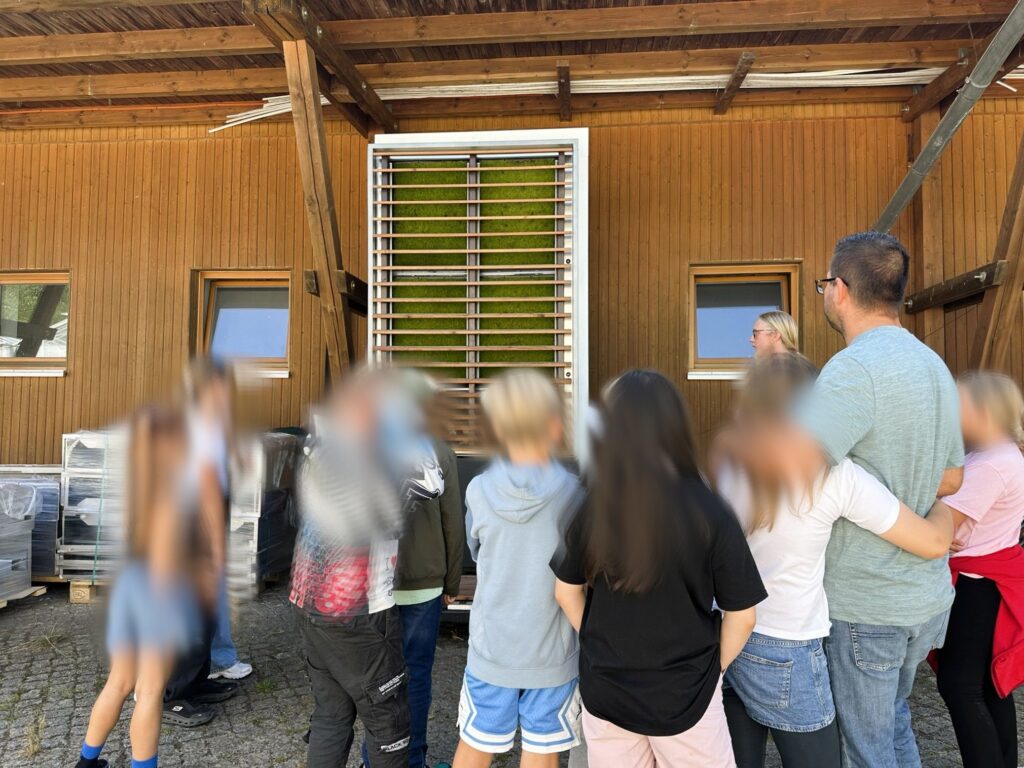
Photo: GCS
Green City Solutions already has extensive experience with school-adjacent projects in Germany and the UK and has received positive feedback from both parents and children regarding its fresh-air concepts around school environments.