
“Biologically Inspired Filter Media for Sustainable Cities and Buildings”
How can clean air, energy-efficient filtration technologies and sustainable cities be considered together? This was the question Green City Solutions brought to the 15th Dresden Air Pollution Control Colloquium. Our co-founder and CIO Liang Wu presented the contribution that biologically inspired filter media can make – and returned to a place closely connected to our company’s history.
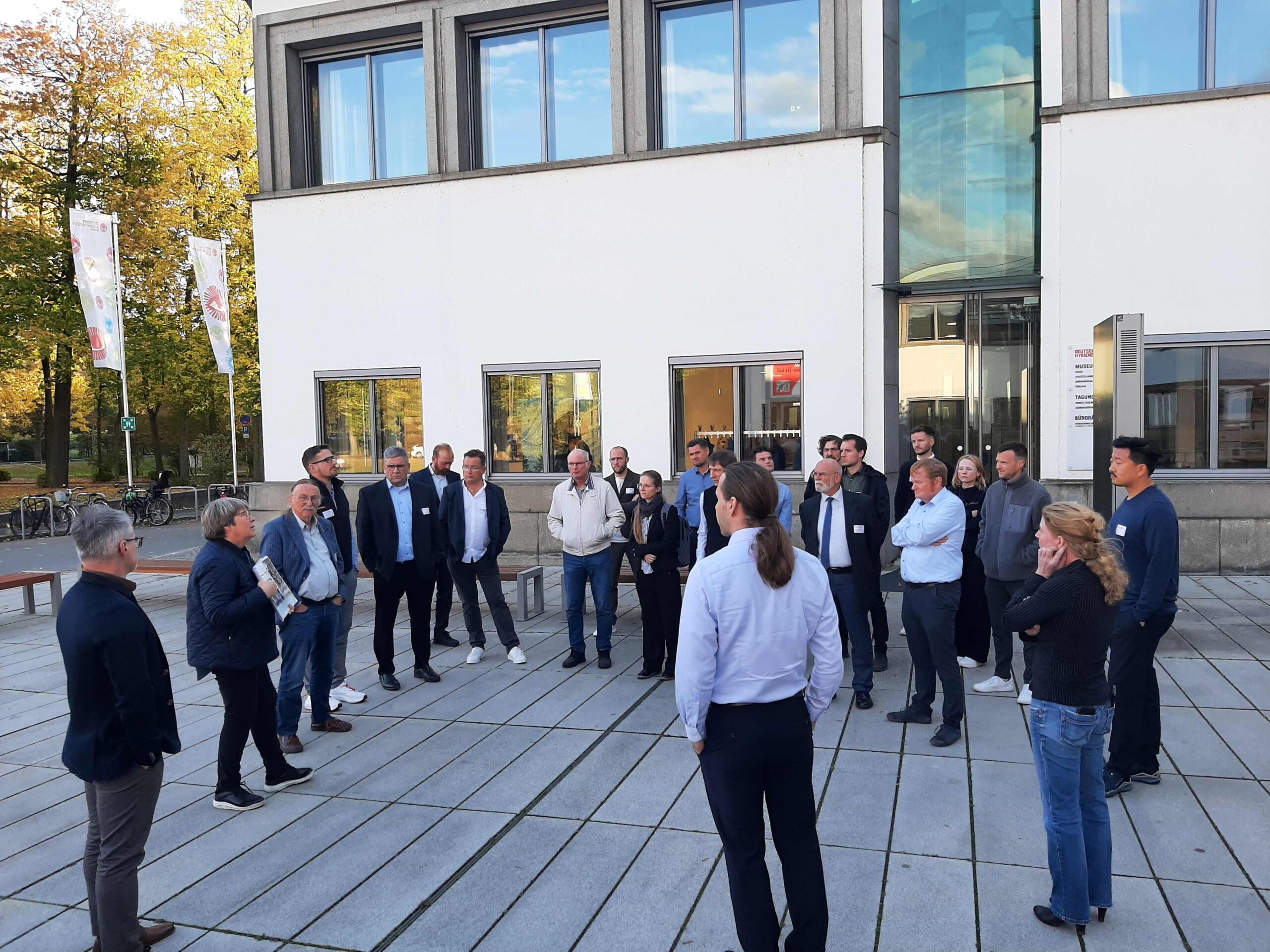
On 22 and 23 October 2026, experts from science, industry and public authorities gathered at the German Hygiene Museum Dresden. Under the theme “Air Pollution Control in Transition – Energy-Efficient Exhaust Air Treatment and Filtration Solutions for Tomorrow”, hey discussed current research, practical applications and new perspectives on air quality. According to a review by the Institute of Air Handling and Refrigeration (ILK) Dresden, more than 40 participants discussed the challenges of air pollution control, particularly those relating to indoor air quality.
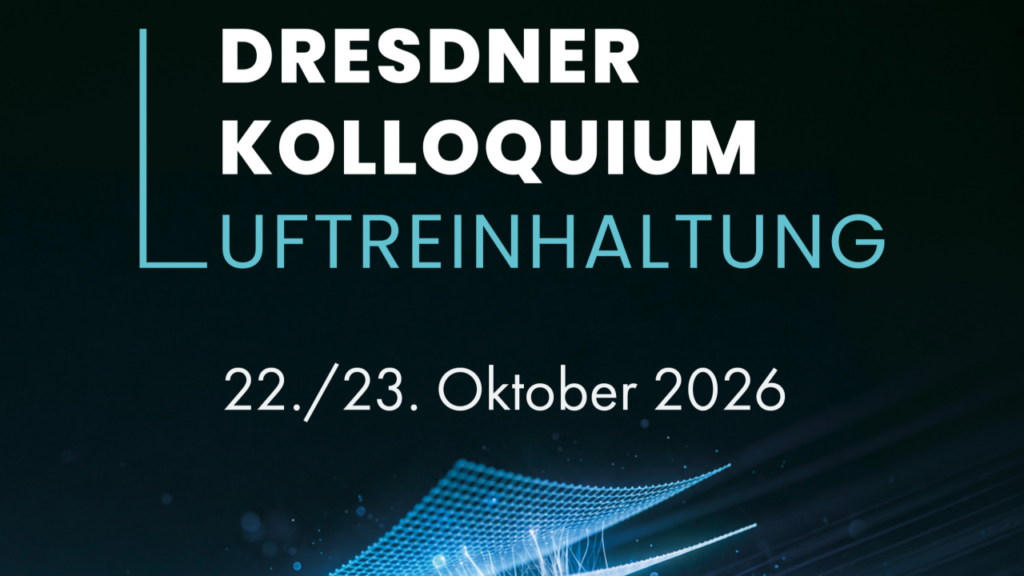
Photo: ILK Dresden
Moss as inspiration for new filtration solutions
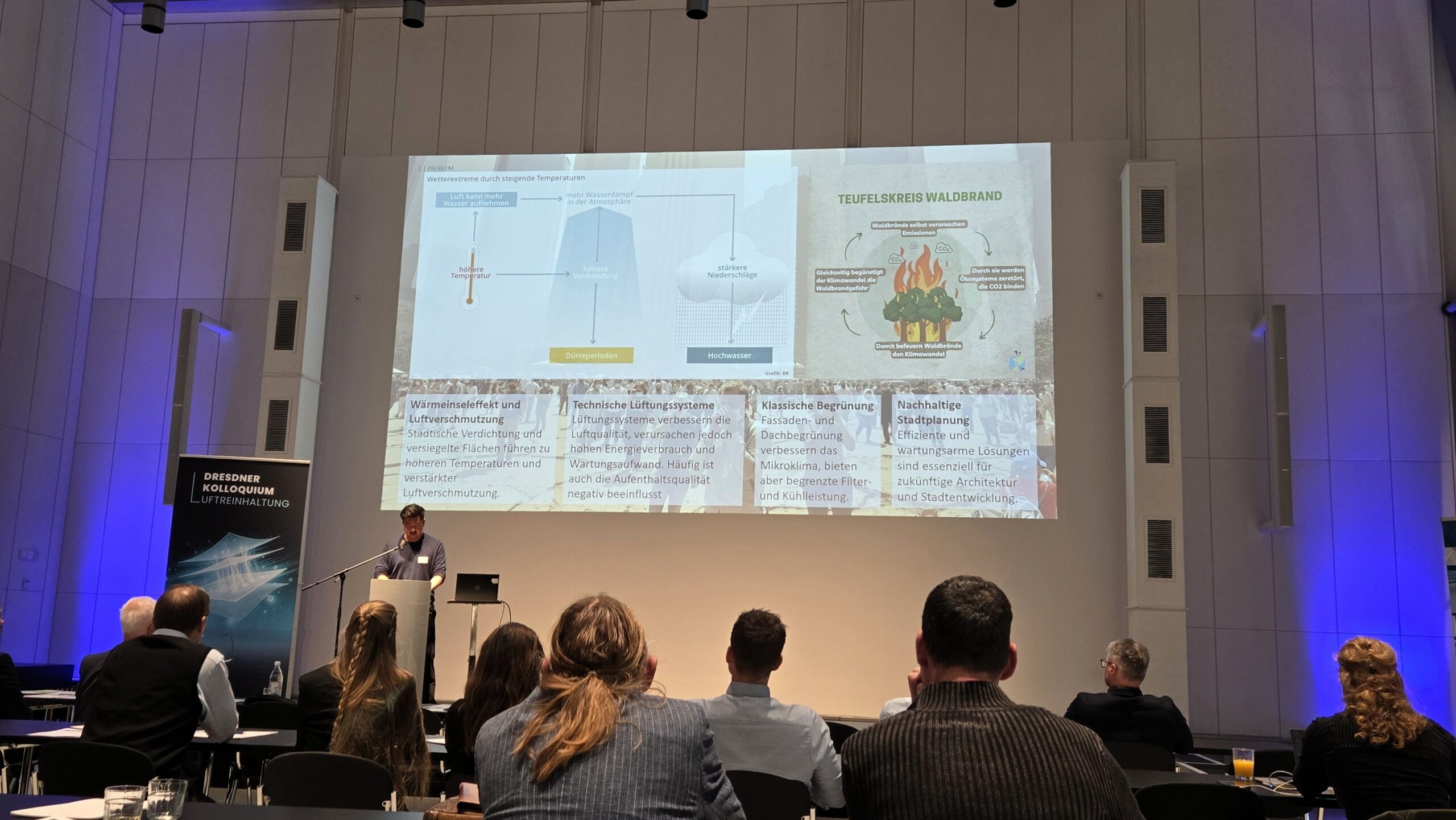
How can air filtration be approached with a stronger focus on biological cycles? Under the title “From Air Filter to Circular Solution: Biologically Inspired Filter Media for Sustainable Cities and Buildings”, Liang Wu presented our approach to improving air quality with biological filters on the first day of the event.
At the heart of our Fresh Air Concept is an unsassuming plant with remarkable abilities: moss. Its large, finely structured surface can capture particulate matter from the air. Biological processes involving microorganisms help break down captured particles. Our multifunctional bio-air filter combine these natural properties with modern technology, creating modular fresh air solutions for cities and buildings.
Why different perspectives matter for clean air
For the first time, the Dresden Colloquium was jointly organised by the Institute of Air Handling and Refrigeration (ILK) Dresden, the Saxon Textile Research Institute (STFI) and the VDI Dresden District Association. The two-day format was also new, providing additional space for professional discussions and personal encounters.
The Event Programmme illustrated the range of challenges involved: presentations covered everything from indoor air quality and air quality sensors to the selection of suitable air purification systems and the energy-efficient treatment of industrial exhaust air. They also addressed new regulatory requirements and the handling of filter waste.
It is precisely this breadth that makes the exchange so valuable. Different spaces, uses and pollution levels require solutions tailored to their needs.
Biological filter media bring another perspective to the discussion: how can natural processes be applied to technical solutions?
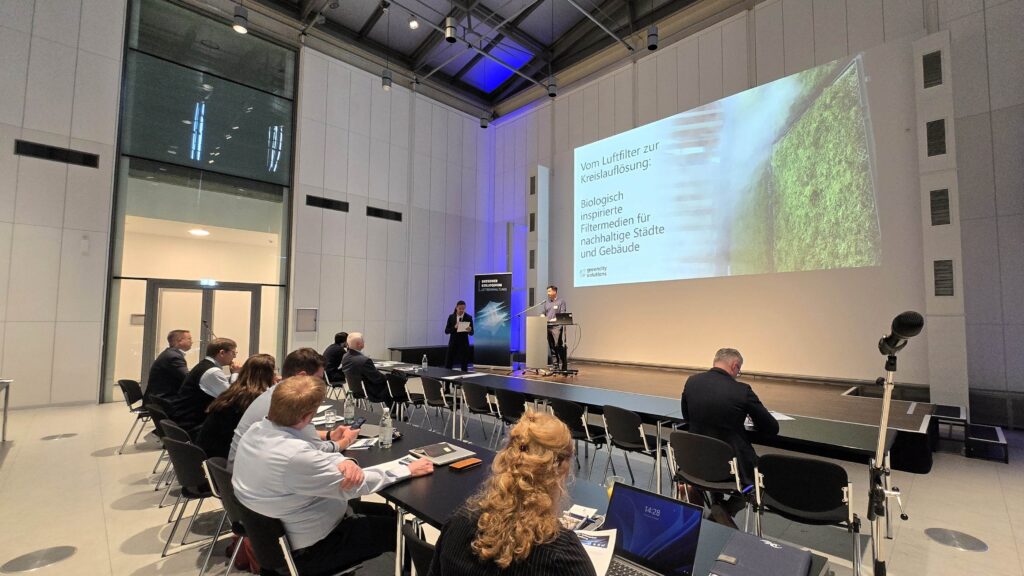
Photo: ILK Dresden
Back in Dresden – discussing the future of air pollution control
Our connection to Saxony’s capital extends beyond the event: Dresden is where the Story of Green City Solutions began. With our WallBreeze installations in front of the Kulturpalast, we have also been present in the city again through a project since this year.
For Liang, attending also had personal significance. Alongside his return to Dresden, he took away the diverse experiences and ideas shared in the discussions:
“It was special for me to return to the place that was my home for more than ten years and where it all began for Green City Solutions.
The presentations and the lively exchange of experiences and ideas show that a great deal is happening in the field of air pollution control.”
Photos: ILK Dresden
Saubere Luft bleibt eine Gemeinschaftsaufgabe
The colloquium was shaped not only by the presentations, but also by the conversations between sessions. In his comment on the event review, Stefan Holfeld, Project Engineer at ILK, highlights the “conversations with representatives from a wide range of fields within air pollution control”.
The ILK Dresden also sums up the shared challenge in its review: “Clean air? It remains a shared responsibility! […] It takes research, innovative technologies and, above all, continuous exchange between science, industry and practice.” We take this exchange with us as a source of inspiration.
We would like to thank the organisers from ILK Dresden, STFI and the VDI Dresden District Association, as well as everyone involved, for the opportunity to share our perspective on biological air filters.
The next Dresden Air Pollution Control Colloquium has already been announced for autumn 2028. Clean air remains not only a task we must continue to work on together, but also “not an issue that will resolve itself tomorrow”.
How does moss become a fresh air solution?